
7325 S Pierce St Ste. 200, Littleton, CO 80128
5 Questions New Patients Ask Before Scaling and Root Planing


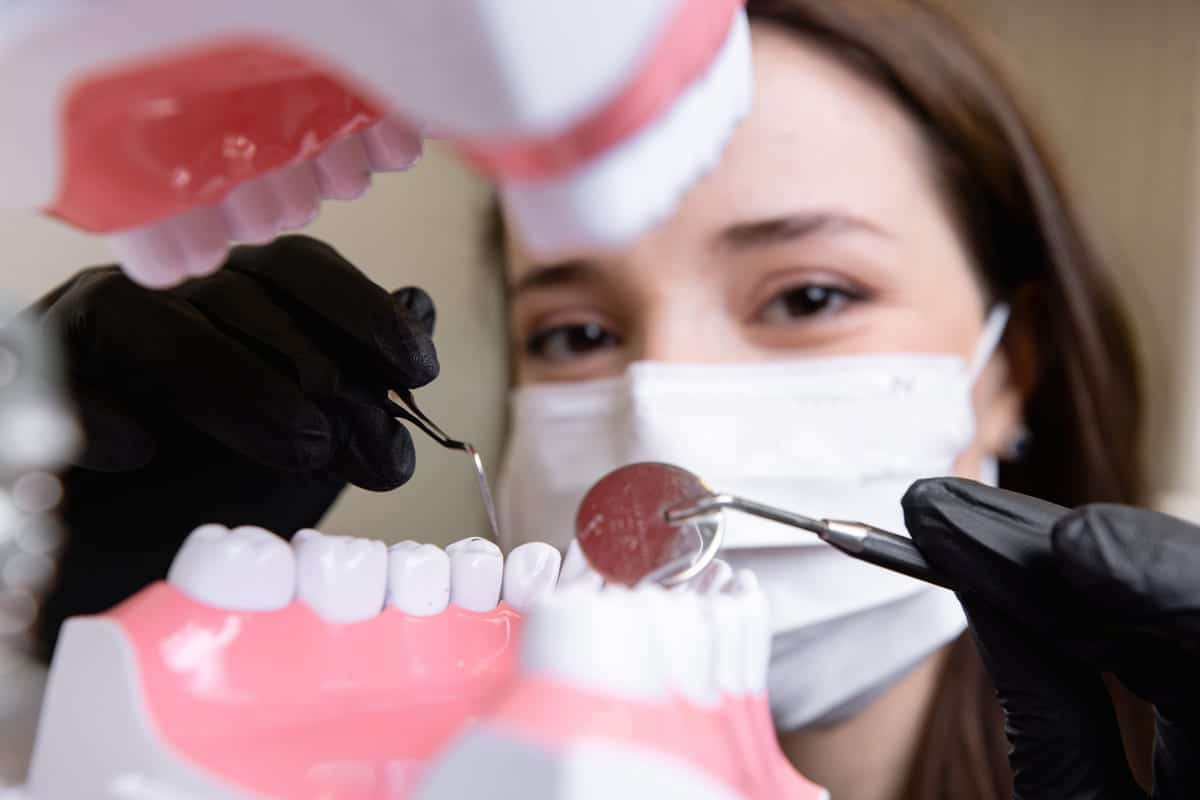
Starting a new dental treatment can feel overwhelming. Many patients in Littleton, CO have questions before they commit to gum care. The 5 questions new patients ask before scaling and root planing in Littleton all come down to the same thing: understanding what is happening and why. At Chatfield Smiles Dentistry, Dr. Phil Nguyen believes informed patients are confident patients. This article walks you through the most common concerns we hear every week.
Question 1: What Exactly Is Scaling and Root Planing?
Scaling and root planing is a deep cleaning procedure. It targets gum disease below the gumline, where regular brushing cannot reach. A standard teeth cleaning cleans the surfaces above and just below the gumline. Scaling and root planing goes deeper to remove tartar and bacteria from the root surface itself.
The procedure has two parts. Scaling removes hardened tartar and plaque from the tooth and root surfaces. Root planing smooths the root so that gum tissue can reattach properly. Together, they stop gum disease from advancing further.
This treatment is not the same as a routine cleaning. It is a therapeutic procedure designed to treat active gum disease. Dr. Nguyen uses precise instruments to clean each affected area carefully and thoroughly.
Question 2: How Do I Know If I Actually Need It?
Gum disease often has no pain in its early stages. That is why so many patients are surprised when Dr. Nguyen recommends this treatment. Common signs that you may need scaling and root planing include:
- Gums that bleed when you brush or floss
- Persistent bad breath that does not go away
- Gums that look red, puffy, or swollen
- Teeth that feel loose or have shifted position
- Gum pockets deeper than 4 millimeters on probing
During your exam, Dr. Nguyen measures the depth of the pockets around each tooth. Digital X-Rays also help the team see bone loss that may not be visible to the naked eye. These two tools together give a clear picture of your gum health.
If pockets are deep and bacteria have settled below the gumline, scaling and root planing is typically the recommended next step. Waiting rarely helps, because gum disease does not resolve on its own without treatment.
Question 3: Will It Hurt? What Can I Expect During the Procedure?
This is the question we hear most often from new patients in Littleton. The honest answer is that most patients experience little to no pain during the procedure. Local anesthesia is used to numb the area being treated. You should feel pressure, but not sharp pain.
Here is a general overview of what to expect during your appointment:
- Dr. Nguyen reviews your X-Rays and marks the areas needing treatment.
- Local anesthetic is applied to fully numb the gum tissue and roots.
- Scaling removes tartar and bacteria from each tooth surface and pocket.
- Root planing smooths the root surfaces to promote healing.
- The team provides aftercare instructions before you leave.
Many patients are treated in two appointments. Each visit covers one side of the mouth. This approach keeps the procedure manageable and allows the gum tissue to begin healing between visits.
After the procedure, mild soreness or sensitivity is normal. Over-the-counter pain relievers typically manage any discomfort well. Most patients return to normal daily activities the same day.
Question 4: How Long Does Recovery Take?
Recovery from scaling and root planing is generally straightforward. Gum tissue begins to heal within a few days. Most patients notice less bleeding and inflammation within one to two weeks.
During recovery, Dr. Nguyen recommends the following:
- Eat soft foods for the first day or two after treatment
- Avoid hot, spicy, or crunchy foods while gums are tender
- Brush gently using a soft-bristled toothbrush
- Rinse with warm salt water to reduce inflammation
- Avoid tobacco products, which slow gum healing significantly
A follow-up visit is scheduled about four to six weeks after treatment. Dr. Nguyen rechecks pocket depths and evaluates how well your gums have responded. This appointment is just as important as the treatment itself.
Many patients see noticeable improvements in gum health after this evaluation. Some may need additional maintenance visits a few times per year. Consistent home care is the key to keeping results long-term.
Question 5: What Happens If I Do Not Get Treatment?
Untreated gum disease does not stay the same. It progresses, and the consequences become more serious over time. Bone loss around the teeth is one of the most significant risks. Once bone is lost, it does not fully regenerate on its own.
Advanced gum disease can also lead to tooth loss. Losing teeth creates new challenges, including difficulty chewing and shifting of surrounding teeth. Patients sometimes explore options like Littleton Dental Bridges Littleton to replace missing teeth after tooth loss has occurred. Prevention is always a better path than restoration.
Research also links untreated gum disease to systemic health concerns. These include increased risk of heart disease, diabetes complications, and other inflammatory conditions. Treating gum disease is not just about your smile. It is about your overall health.
If you have been considering your cosmetic goals alongside your gum health, our Littleton Cosmetic Dentistry Littleton services are available once your gums are healthy. Healthy gums are the foundation for any cosmetic work. Dr. Nguyen always prioritizes gum health first.
Why Chatfield Smiles Dentistry Is the Right Choice in Littleton
Dr. Phil Nguyen and the team at Chatfield Smiles Dentistry take a patient-first approach to every visit. We understand that starting a new procedure can bring up a lot of questions and concerns. Our goal is to make sure you feel heard, informed, and comfortable before any treatment begins.
We serve patients across Littleton, CO with a full range of general dentistry services. From Oral Cancer Screening to Pediatric Dentistry, our practice is equipped to care for your whole family. Gum disease treatment is one of the most impactful services we offer, and we take it seriously.
If you have been putting off treatment because of uncertainty or anxiety, you are not alone. Most patients feel much better once they understand the process. We are here to walk you through it at every step. Book Now to schedule your appointment with our team.
Frequently Asked Questions
How long does a scaling and root planing appointment take?
Most appointments last between 60 and 90 minutes per side. The procedure is often split into two visits so each half of the mouth receives focused attention. Your total treatment time depends on the severity of gum disease and how many teeth are involved.
Is scaling and root planing safe for children?
Scaling and root planing is primarily an adult procedure. Children with early signs of gum problems are typically treated with thorough cleanings and improved home care. Dr. Nguyen evaluates each young patient individually and recommends the most appropriate treatment.
Will my gums fully recover after treatment?
Most patients experience significant improvement in gum health after scaling and root planing. Pocket depths often decrease and bleeding reduces substantially. Full recovery depends on consistent home care and keeping up with recommended maintenance visits.
How soon can I eat after the procedure?
You can eat once the numbness from local anesthetic wears off. Stick to soft foods for the first day or two. Avoid anything hot, crunchy, or spicy until soreness has resolved. Dr. Nguyen will give you specific aftercare instructions before you leave the office.
Can gum disease come back after treatment?
Gum disease can return without proper maintenance. That is why regular follow-up cleanings are essential after scaling and root planing. Most patients are placed on a three to four times per year maintenance schedule. Strong home care habits also play a major role in preventing recurrence.