7325 S Pierce St Ste. 200, Littleton, CO 80128
Is Your Headache Actually a Jaw Problem Disguised



Many Littleton residents wake up with pounding headaches and never think to ask: is your headache actually a jaw problem disguised in Littleton? The connection between jaw dysfunction and chronic head pain surprises most patients. Yet the temporomandibular joint — your jaw joint — influences far more than chewing. Dr. Phil Nguyen at Chatfield Smiles Dentistry sees this pattern regularly among patients right here in Littleton, CO.
TMJ disorders affect millions of Americans. Many go undiagnosed for years because the symptoms mimic other conditions. Understanding the full range of jaw-related symptoms can help you find relief faster and protect your long-term oral health.
What Is TMJ and Why Does It Cause So Many Symptoms in Littleton?
Your temporomandibular joint connects your jawbone to your skull. It sits just in front of each ear. This joint works constantly — every time you speak, chew, swallow, or yawn. Because of its location and complexity, problems here radiate outward quickly.
The joint shares nerve pathways with your temples, ears, neck, and upper shoulders. When the joint becomes inflamed or misaligned, those nerves carry pain signals to unexpected places. That is why a jaw problem can disguise itself so convincingly as a migraine or an ear infection.
TMJ disorders have several causes. Teeth grinding (bruxism) is one of the most common. Jaw clenching, arthritis, injury, and bite misalignment also play major roles. Stress is a significant contributing factor for many Littleton patients.
Recognizing the Full Range of TMJ Symptoms — Beyond Jaw Pain
Most people expect jaw pain to be the obvious clue. But TMJ symptoms spread far beyond the joint itself. Recognizing this wider symptom picture is the first step toward an accurate diagnosis.
Here are the most common TMJ symptoms patients report:
- Chronic headaches — often felt at the temples or behind the eyes
- Jaw clicking or popping — sounds that occur when opening or closing the mouth
- Jaw locking — difficulty opening the mouth fully
- Ear pain or fullness — without any sign of infection
- Neck stiffness and shoulder tension — caused by compensating muscle patterns
- Facial soreness — especially in the cheeks and around the jaw
- Tooth sensitivity or wear — from grinding during sleep
- Tinnitus — ringing or buzzing sounds in the ears
Each symptom alone might point to a different diagnosis. Together, they form a recognizable pattern that a trained dental professional can identify. Dr. Nguyen evaluates these symptoms carefully at Chatfield Smiles Dentistry.
Is Your Headache Actually a Jaw Problem Disguised? Here Is How to Tell
Distinguishing a TMJ headache from a tension headache or migraine can be tricky. However, certain clues make jaw-related headaches stand out. Paying close attention to when and where your pain occurs matters enormously.
TMJ headaches typically appear in the morning after sleep. This pattern suggests nighttime teeth grinding or clenching. The pain often concentrates near the temples, jaw, or base of the skull. It may worsen when you chew tough foods or open your mouth wide.
Ask yourself these questions:
- Do you wake up with a sore jaw or tight facial muscles?
- Does your pain improve as the day goes on?
- Have you noticed clicking or popping in your jaw recently?
- Does chewing hard foods make your headache worse?
- Has anyone told you that you grind your teeth at night?
Answering yes to two or more of these questions is a strong signal. It suggests your headache may actually be a jaw problem in disguise. A dental evaluation is the logical next step for Littleton patients experiencing this pattern.
How Chatfield Smiles Dentistry Evaluates and Addresses Jaw Problems
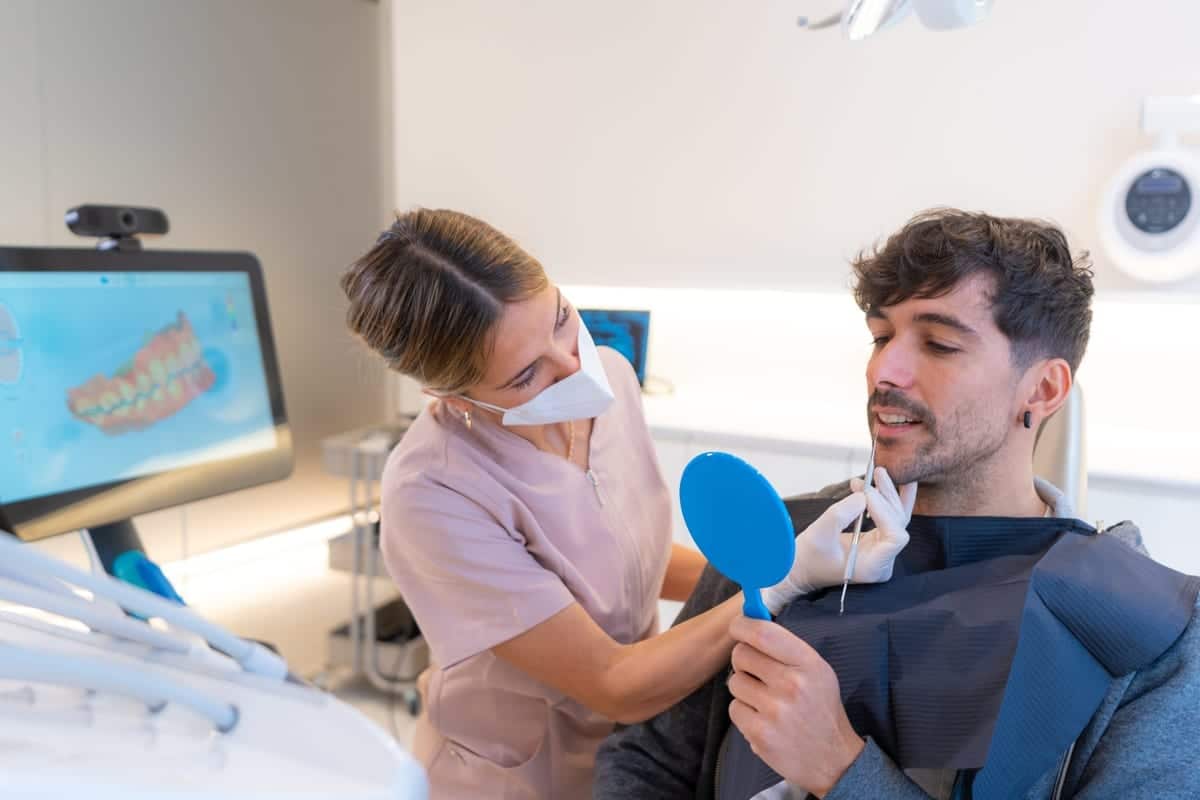
Dr. Phil Nguyen takes a thorough, patient-centered approach to jaw health. A comprehensive evaluation begins with a detailed review of your symptoms and dental history. Dr. Nguyen then examines your bite, jaw movement, and joint function carefully.
Digital X-rays provide a clear picture of the jaw joint and surrounding structures. These images help identify bone changes, alignment issues, or signs of wear. Early detection leads to more effective care and better long-term outcomes.
For many patients, a custom night guard offers significant relief. Night guards cushion the teeth and reduce the pressure caused by grinding. They protect both the jaw joint and tooth enamel simultaneously. Chatfield Smiles Dentistry creates night guards fitted precisely to each patient’s bite.
Beyond night guards, Dr. Nguyen may recommend bite adjustments or refer patients to specialists when appropriate. Maintaining strong gum health also supports overall jaw stability. Patients interested in restoring damaged teeth may also explore options like Littleton Dental Bridges Littleton as part of a comprehensive treatment plan.
Protecting Your Jaw Health Long-Term in Littleton, CO
Managing TMJ symptoms is not just about short-term pain relief. Long-term jaw health protects your teeth, your sleep quality, and your overall well-being. Consistent dental care plays a central role in that protection.
Here are practical steps Littleton patients can take to support jaw health:
- Wear your night guard consistently if one has been prescribed
- Avoid chewing hard or chewy foods during flare-ups
- Practice stress reduction techniques to limit clenching habits
- Schedule regular dental checkups to monitor jaw joint health
- Apply warm compresses to sore jaw muscles for temporary relief
- Avoid resting your chin in your hand for extended periods
Patients who keep up with routine dental visits give Dr. Nguyen the opportunity to catch changes early. Small adjustments made promptly prevent bigger problems later. This proactive approach is central to the Chatfield Smiles Dentistry philosophy.
Good oral health connects to every part of your body. Whether you are seeking preventive care, exploring Littleton Cosmetic Dentistry Littleton options, or investigating the source of mysterious headaches, Chatfield Smiles Dentistry is here to guide you. Littleton patients deserve a dental team that listens, educates, and delivers personalized care every visit.
Conclusion: Stop Guessing and Start Getting Answers
Chronic headaches, jaw clicking, ear pain, and neck tension do not have to be permanent fixtures in your life. These symptoms often share a common root — your jaw joint. Identifying that connection early can transform your comfort and quality of life. Dr. Phil Nguyen and the team at Chatfield Smiles Dentistry are ready to help Littleton patients connect the dots. Book Now to schedule your appointment with our team.
Frequently Asked Questions
Can a dentist diagnose TMJ disorders?
Yes. Dentists are well-qualified to evaluate and diagnose TMJ disorders. Dr. Nguyen examines jaw movement, bite alignment, and joint sounds during a comprehensive oral exam. Digital X-rays provide additional detail about the joint’s structure and condition.
How do I know if my headaches are from my jaw or something else?
TMJ headaches often appear in the morning, concentrate near the temples, and worsen with chewing. They frequently accompany jaw clicking, facial soreness, or ear pain. If this pattern sounds familiar, a dental evaluation can help clarify the source of your pain.
What does a night guard do for TMJ?
A night guard creates a cushion between your upper and lower teeth. It reduces the pressure your jaw muscles exert during nighttime grinding or clenching. This protection eases strain on the jaw joint and helps minimize morning headaches and soreness.
Is TMJ treatment painful?
Most TMJ treatment options are non-invasive and comfortable. Night guards, bite adjustments, and lifestyle recommendations cause no pain. Dr. Nguyen focuses on gentle, conservative approaches before considering more involved interventions.
How soon can I expect relief from TMJ symptoms?
Many patients notice improvement within a few weeks of starting treatment. Wearing a night guard consistently produces the fastest results for grinding-related symptoms. More complex cases may require a longer treatment timeline, which Dr. Nguyen will discuss with you clearly.