7325 S Pierce St Ste. 200, Littleton, CO 80128
Dental Sealants Longevity: How Long Do They Last?


Dental Sealants Longevity
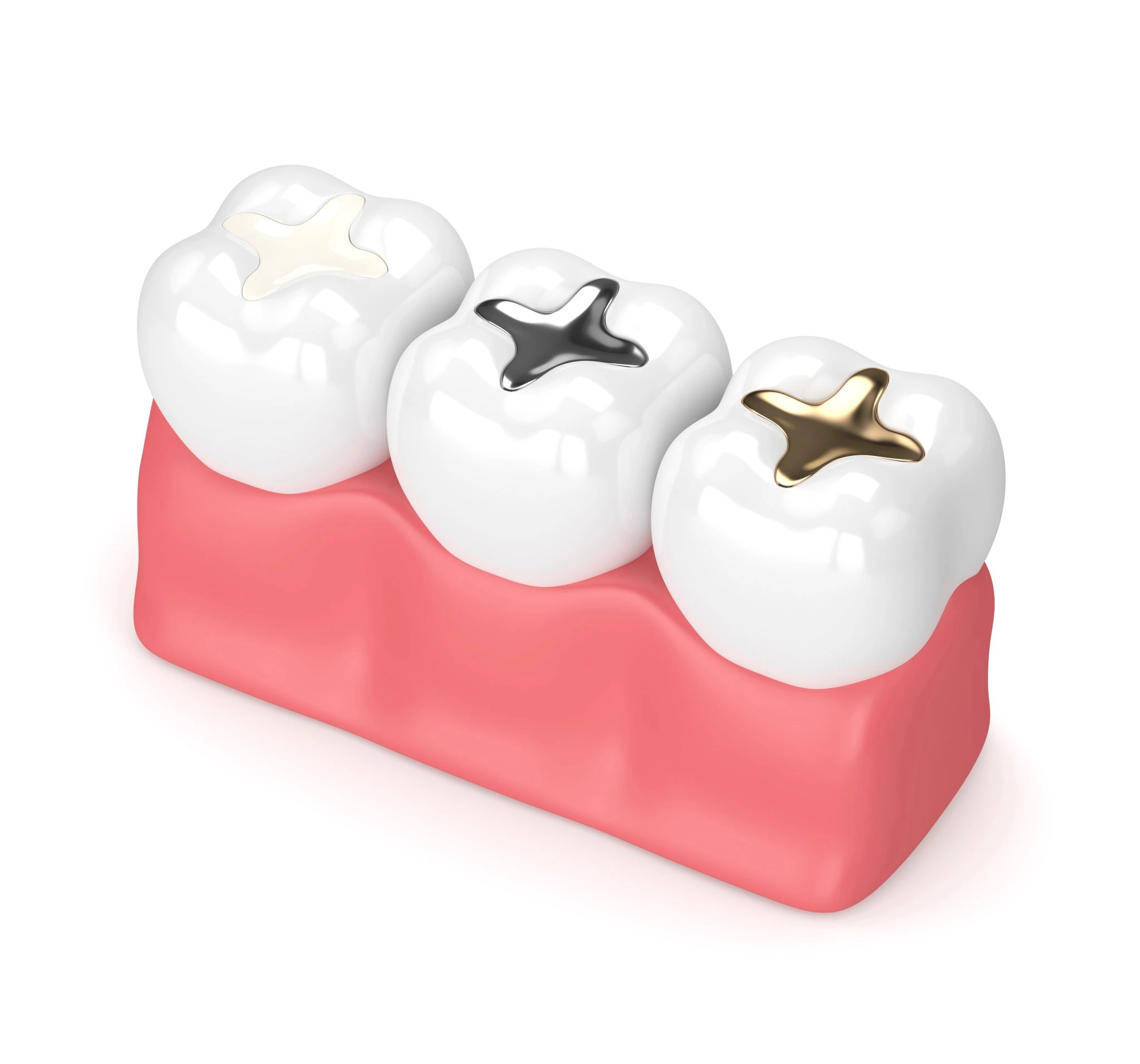
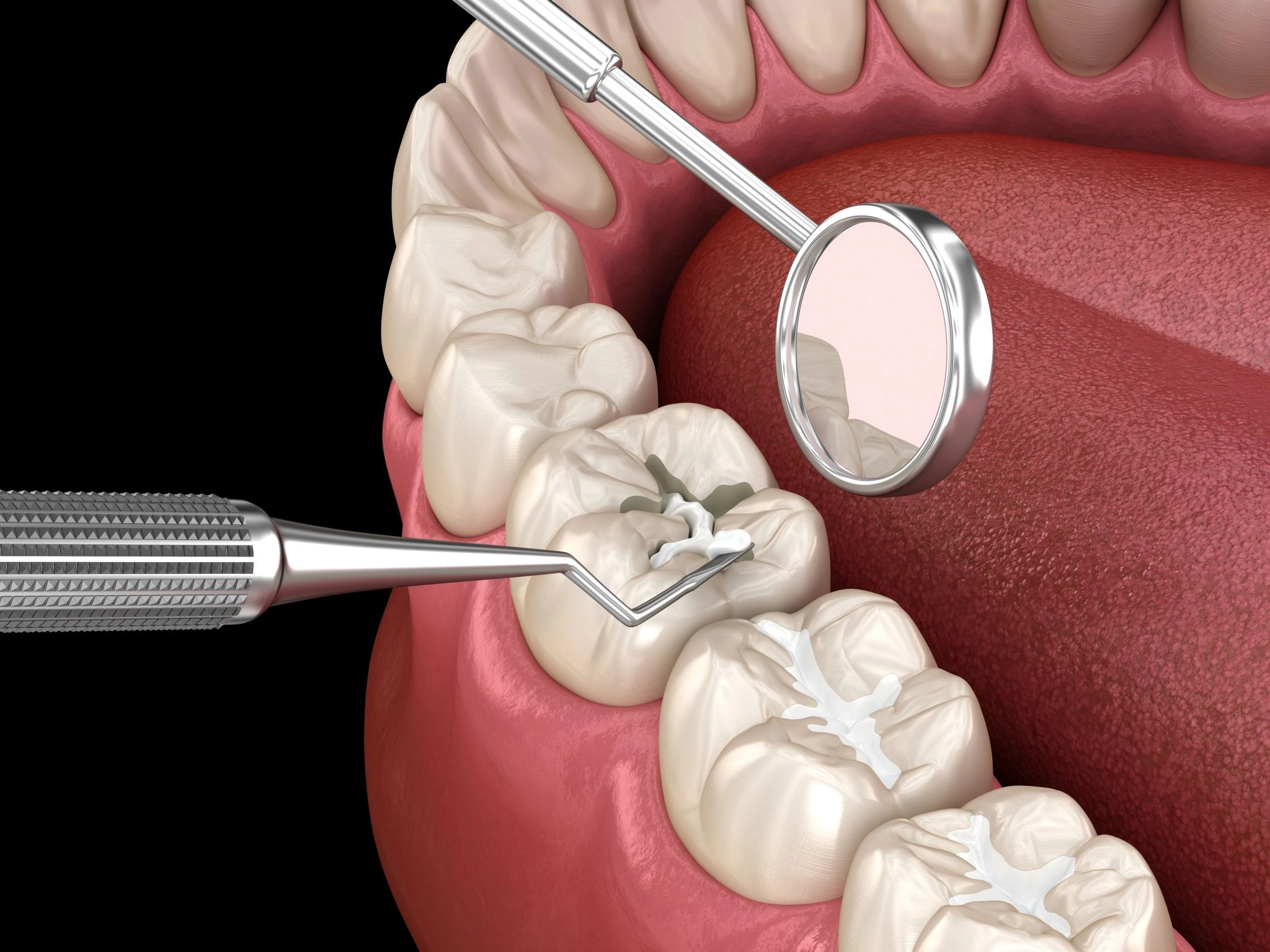
Dental sealants longevity is a topic of interest for many individuals seeking to maintain their oral health. Dental sealants are thin, protective coatings applied to the chewing surfaces of the back teeth, primarily the molars and premolars. These sealants act as a barrier, protecting the enamel from plaque and acids that can lead to cavities. By covering the grooves and depressions in the teeth, dental sealants help prevent food particles and bacteria from settling in these hard-to-clean areas.
Table of Contents
Understanding the definition of dental sealants is crucial for those considering this preventive measure. The application process is quick and painless, making it an attractive option for both children and adults. For more detailed information on what to expect during the application, you can refer to the Dental Sealants Procedure: What to Expect at Your Appointment. While dental sealants longevity can vary, they are generally effective for several years, providing a long-term solution for cavity prevention.
Purpose of Dental Sealants
Dental sealants serve as a protective barrier for teeth, primarily designed to prevent cavities and tooth decay. They are typically applied to the chewing surfaces of the back teeth, where grooves and pits are more susceptible to trapping food particles and bacteria. By sealing these vulnerable areas, dental sealants help maintain oral health and contribute to the overall dental sealants longevity.
The application of dental sealants is a proactive measure in oral care, especially beneficial for children and teenagers who are at higher risk for cavities. This preventive approach not only supports long-term dental health but also enhances the effectiveness of regular oral hygiene practices. For more information on how sealants can protect young teeth, visit our page on Littleton Sealants For Kids’ Teeth.
Application Process Overview
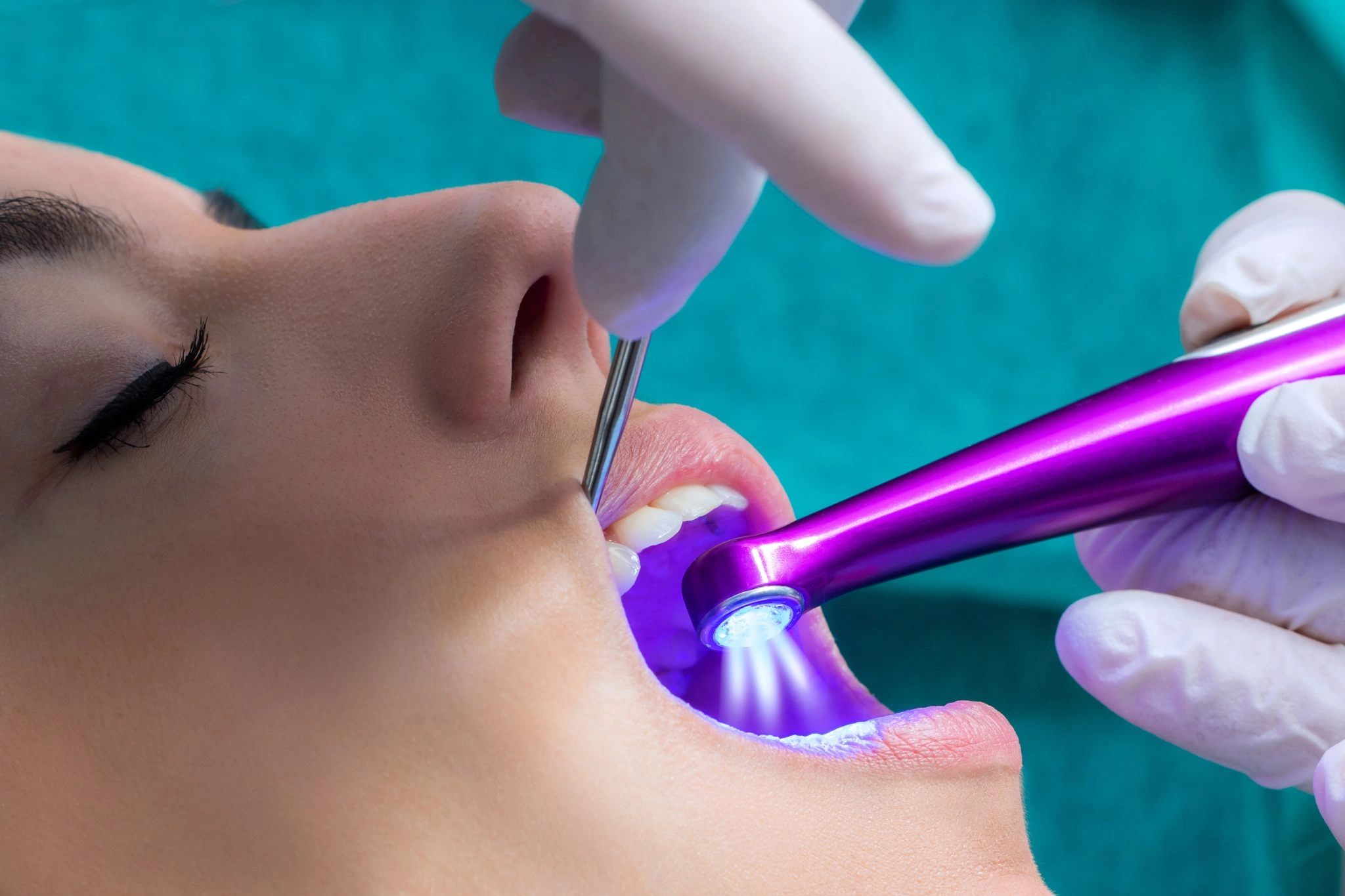
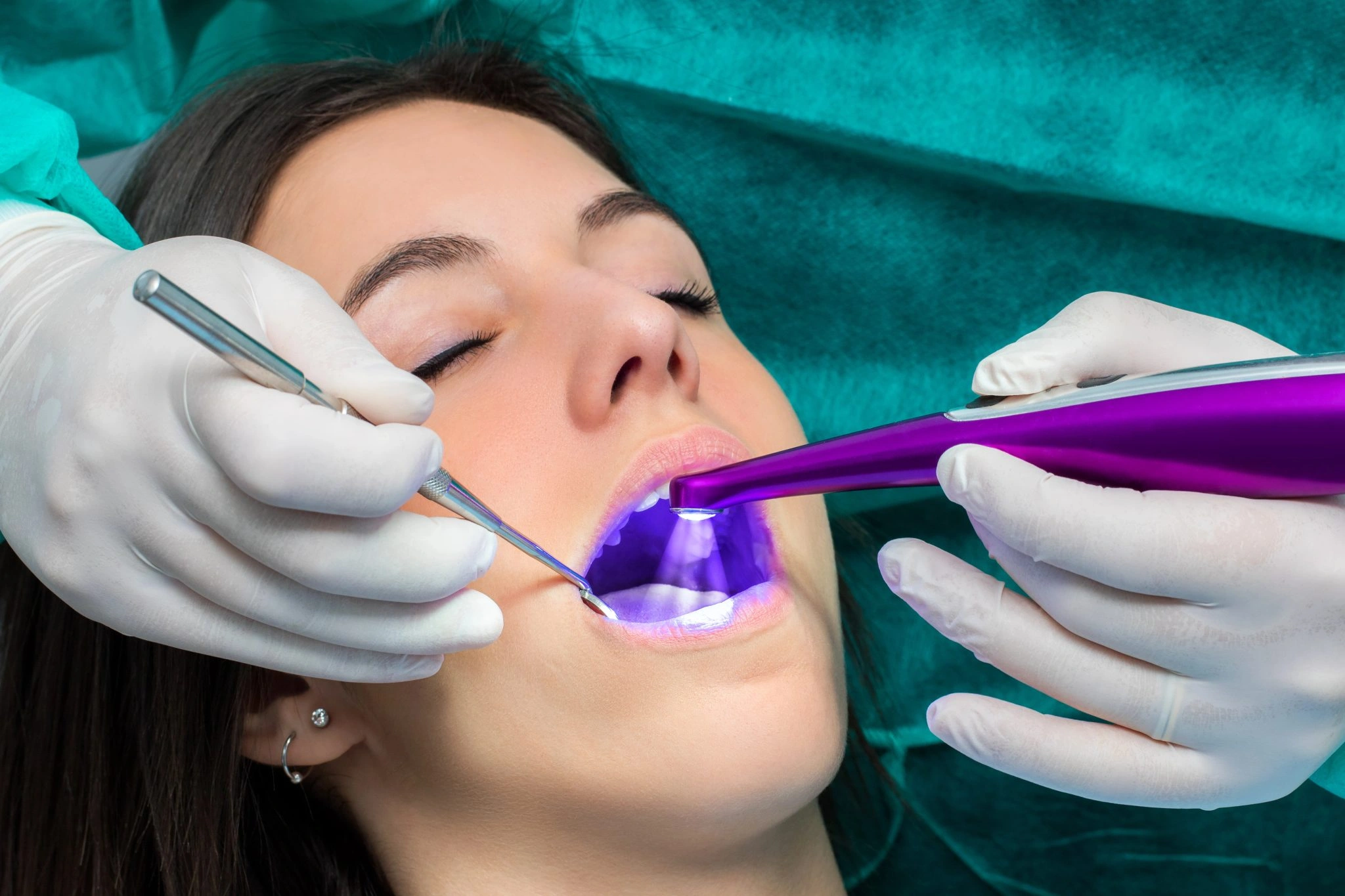
The application process for dental sealants is a straightforward procedure that plays a crucial role in dental sealants longevity. It begins with a thorough cleaning of the teeth to ensure a clean surface for the sealant to adhere to. Once cleaned, the teeth are dried, and an acidic solution is applied to roughen the surface, enhancing the bond between the tooth and the sealant. After rinsing and drying the teeth again, the dental sealant is carefully painted onto the chewing surfaces of the teeth, where it hardens quickly, often with the help of a special curing light. This process helps in creating a protective barrier that contributes significantly to dental sealants longevity by shielding teeth from decay.
Factors Affecting Longevity
The longevity of dental sealants can vary based on several factors, including the patient’s oral hygiene habits, the type of sealant material used, and the skill of the dental professional applying them. Regular dental check-ups and the natural wear and tear from chewing can also influence how long sealants remain effective. For more information on dental sealants longevity, visit Chatfield Smiles Dentistry, your trusted Littleton Dentist.
Average Lifespan of Sealants
Dental sealants longevity is a topic of interest for many individuals seeking to maintain their oral health. On average, dental sealants can last anywhere from five to ten years, depending on various factors such as oral hygiene practices and the natural wear and tear from chewing. While they are designed to be durable, regular dental check-ups can help monitor their condition and ensure they continue to provide effective protection against cavities.
Common Causes of Wear
Dental sealants longevity can be affected by various factors that contribute to their wear over time. One common cause is the natural wear and tear from daily activities such as chewing and grinding, which can gradually erode the protective layer. Additionally, the consumption of hard or sticky foods can accelerate the deterioration process. Poor oral hygiene practices may also lead to plaque buildup, which can undermine the sealant’s effectiveness. Furthermore, the natural changes in the mouth’s environment, such as shifts in pH levels or saliva composition, can impact the durability of dental sealants.
Maintenance and Care Practices
Proper maintenance and care practices play a crucial role in enhancing dental sealants longevity. Regular dental check-ups are essential to monitor the condition of the sealants and ensure they remain intact. Maintaining good oral hygiene, including brushing and flossing, helps in preserving the effectiveness of dental sealants by preventing plaque buildup. Avoiding habits that can damage teeth, such as chewing on hard objects, also contributes to the durability of sealants. By focusing on these practices, individuals can support the long-lasting benefits of dental sealants.
Signs of Sealant Deterioration
Understanding the signs of sealant deterioration is crucial for maintaining dental sealants longevity. Over time, dental sealants may begin to show signs of wear and tear, such as chipping, cracking, or complete loss of the sealant material. These changes can compromise the protective barrier that sealants provide against cavities. Additionally, if food particles or plaque start accumulating in areas where the sealant has worn away, it may indicate that the sealant is no longer effectively protecting the tooth surface. Regular dental check-ups can help monitor these signs and ensure that dental sealants continue to serve their purpose effectively.
Professional Evaluation Frequency
Regular professional evaluations play a crucial role in assessing dental sealants longevity. During these evaluations, dental professionals can monitor the condition of the sealants and determine if they are still effectively protecting the teeth. This ongoing assessment helps ensure that any wear or damage is identified early, maintaining the sealants’ protective benefits over time.
Conclusion
For more information on dental sealants longevity, call us at 720-769-5426 or check out our Google Maps reviews.