7325 S Pierce St Ste. 200, Littleton, CO 80128
How Often Should You Get Dental Cleanings? Expert Advice


How Often Should You Get Dental Cleanings?
Table of Contents
Regular dental visits play a crucial role in maintaining optimal oral health. Understanding how often you should get dental cleanings is essential for preventing plaque buildup, cavities, and gum disease. These routine check-ups allow dental professionals to monitor your oral health, identify potential issues early, and provide necessary interventions to keep your teeth and gums healthy.
In addition to maintaining oral hygiene, regular dental visits can contribute to overall well-being by reducing the risk of more serious health problems linked to poor oral health. By adhering to a consistent schedule for dental cleanings, individuals can ensure that their oral health is monitored and maintained effectively. For those interested in a more minimalist approach, consider exploring the concept of Dental Cleaning Without X-Rays: A Minimalist Oral Health Approach.
Frequency for Adults
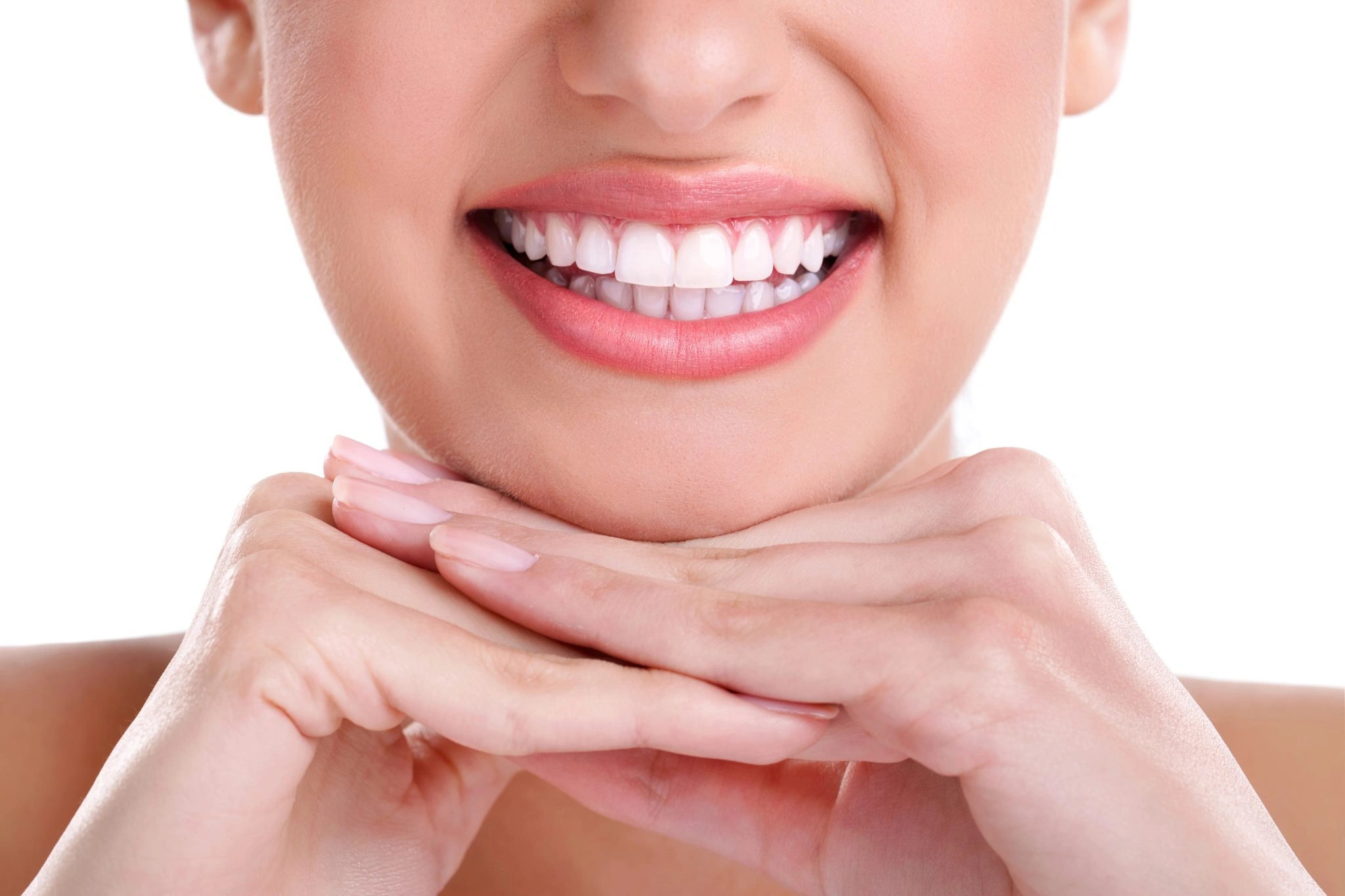
For adults, understanding how often should you get dental cleanings is crucial for maintaining optimal oral health. Regular dental cleanings help in removing plaque and tartar buildup that cannot be eliminated by regular brushing and flossing alone. Most dental professionals suggest that adults should schedule a cleaning every six months. However, the frequency can vary based on individual oral health needs and the advice of your dentist.
Routine dental cleanings are essential in preventing gum disease and detecting potential oral health issues early. By adhering to a consistent cleaning schedule, adults can ensure their teeth and gums remain healthy. For those seeking more information on maintaining oral health, consider visiting Littleton’s Best Dental Cleaning and Exam for expert insights.
Children’s Dental Cleaning Schedule
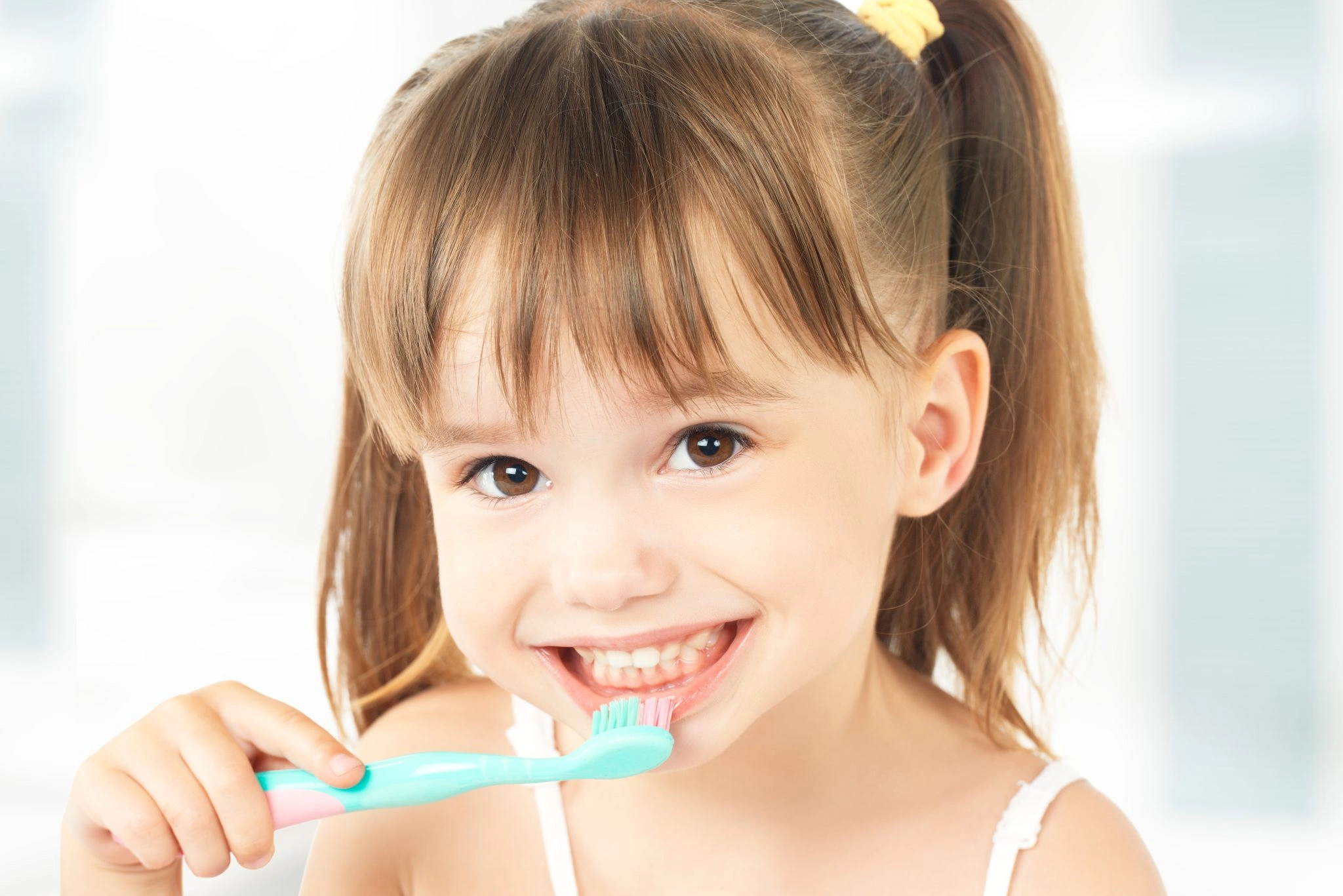
When considering how often should you get dental cleanings for children, it’s important to focus on establishing a routine that promotes oral health from an early age. Regular dental cleanings can help maintain healthy teeth and gums, ensuring that any potential issues are identified and addressed promptly. By adhering to a consistent schedule, children can develop positive dental habits that contribute to their overall well-being.
Impact of Oral Health Conditions
Oral health conditions can significantly influence how often you should get dental cleanings. Issues such as gum disease, cavities, and plaque buildup may necessitate more frequent visits to maintain optimal oral health. Regular dental cleanings help prevent these conditions from worsening, ensuring your teeth and gums remain healthy. For those wondering how often should you get dental cleanings, it’s essential to consider any existing oral health issues that might require additional care. For more information, visit Chatfield Smiles Dentistry, your trusted Littleton Dentist.
Role of Diet in Dental Health
Diet plays a crucial role in maintaining dental health, as the foods and beverages consumed can significantly impact the condition of teeth and gums. Consuming a balanced diet that includes a variety of nutrients supports overall oral health by providing essential vitamins and minerals that strengthen teeth and gums. Additionally, certain foods can influence the production of saliva, which is vital for neutralizing acids and washing away food particles. The frequency and type of food intake can also affect the development of plaque and cavities, highlighting the importance of dietary choices in dental care.
Influence of Lifestyle Habits
Lifestyle habits play a significant role in determining how often you should get dental cleanings. Factors such as diet, smoking, and oral hygiene practices can impact oral health, potentially necessitating more frequent visits to the dentist. For instance, individuals who consume sugary foods or beverages regularly may experience a higher risk of plaque buildup and cavities, influencing the recommended frequency of dental cleanings. Similarly, smokers might require more frequent cleanings due to the increased risk of gum disease and staining. Understanding how these lifestyle choices affect oral health can help in assessing how often you should get dental cleanings to maintain optimal dental hygiene.
Dental Cleaning and Gum Disease
Regular dental cleanings play a crucial role in maintaining oral health and preventing gum disease. Gum disease, a common condition affecting the gums and supporting structures of the teeth, can lead to serious complications if left untreated. The question of how often should you get dental cleanings is essential, as these cleanings help remove plaque and tartar buildup that contribute to gum disease. By scheduling routine dental cleanings, individuals can reduce the risk of developing gum disease and maintain healthier gums and teeth over time.
Connection to Overall Health
Understanding how often you should get dental cleanings is crucial not only for maintaining oral hygiene but also for supporting overall health. Regular dental cleanings can help prevent gum disease, which has been linked to various systemic conditions such as heart disease and diabetes. By keeping your teeth and gums healthy, you contribute to your body’s overall well-being, highlighting the importance of routine dental visits in maintaining a healthy lifestyle.
Variations by Age Group
When considering how often should you get dental cleanings, it’s important to recognize that the frequency can vary based on age group. Children, for instance, may require more frequent visits to monitor the development of their teeth and ensure proper oral hygiene habits are established early. Adults typically follow a standard schedule, but individual needs can differ based on oral health status. Seniors might need more regular cleanings due to age-related dental issues. Understanding these variations helps in maintaining optimal dental health across different life stages.
Conclusion
Understanding how often should you get dental cleanings is crucial for maintaining oral health. For more information, call us at 720-769-5426 or check out our Google Maps reviews.