7325 S Pierce St Ste. 200, Littleton, CO 80128
Why Teeth Won’t Whiten & What Works


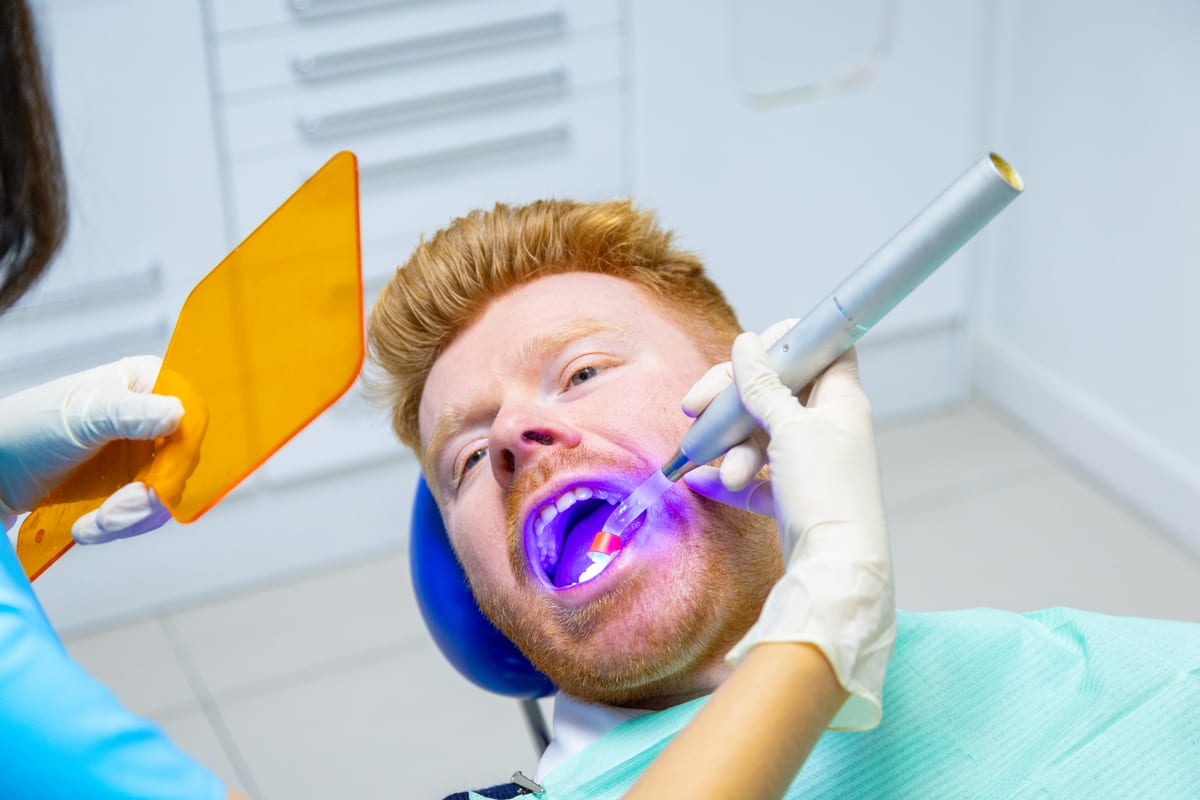
You have tried whitening strips, whitening toothpaste, and maybe even an at-home tray kit. Yet your smile still looks the same. If you have wondered why your teeth won’t whiten and what actually works, you are not alone. The answer almost always comes down to one key factor: the type of stain you are dealing with.
Not all tooth discoloration responds to bleaching agents. Understanding the difference between stain types is the first step toward choosing a treatment that will actually deliver results. Our dental team at Chatfield Smiles Dentistry sees this confusion every day, and we are here to clear it up.
Why Your Teeth Won’t Whiten: Intrinsic vs. Extrinsic Stains
Tooth stains fall into two broad categories: extrinsic and intrinsic. Extrinsic stains live on the outer surface of the tooth enamel. They are caused by things you consume or habits you have. Intrinsic stains, on the other hand, exist inside the tooth structure itself.
Whitening products — whether over-the-counter or professional — work by using peroxide to bleach surface-level pigment. This process is highly effective on extrinsic stains. However, it has little to no effect on intrinsic discoloration. That is one of the core reasons why teeth sometimes simply will not whiten, no matter how hard you try.
Knowing which type of stain you have changes everything. It helps you stop wasting money on products that cannot work and start focusing on solutions that can.
Common Causes of Extrinsic Staining
Extrinsic stains are the most common type seen in general dentistry. They build up gradually from everyday exposure to certain foods, drinks, and habits. The good news is that they tend to respond well to professional whitening treatments.
Common causes of extrinsic staining include:
- Coffee, tea, and red wine consumption
- Smoking or using tobacco products
- Dark-coloured sauces such as soy sauce or tomato sauce
- Berries, beets, and other pigment-rich foods
- Poor brushing habits that allow plaque to accumulate
If your staining comes from one of these sources, professional teeth whitening is likely a strong option for you. In-office treatments use higher concentrations of bleaching agents than store-bought products. They can lift years of extrinsic buildup in a single appointment.
At-home professional trays prescribed by your dentist are another effective route. They deliver consistent results over a couple of weeks and fit precisely to your teeth. Both options work far better than over-the-counter strips for most patients.
What Causes Intrinsic Staining — And Why Whitening Won’t Fix It
Intrinsic stains are embedded within the dentin layer beneath your enamel. Standard whitening treatments cannot reach this layer effectively. This is a major reason why your teeth won’t whiten with bleaching products alone.
Several factors can cause intrinsic discoloration:
- Tetracycline antibiotic use during childhood tooth development
- Excessive fluoride exposure during early development (dental fluorosis)
- Tooth trauma that causes internal bleeding within the pulp
- Natural aging, which thins enamel and reveals darker dentin beneath
- Certain genetic conditions affecting enamel or dentin formation
- Previous root canal treatment, which can cause a tooth to darken over time
These stains are not the result of anything you ate or drank. They are structural in nature. That is why no amount of whitening toothpaste or bleaching gel will make a meaningful difference.
Patients with intrinsic staining often feel frustrated because they cannot identify a clear cause. Understanding that the issue lies within the tooth — not on its surface — brings clarity and opens the door to the right solutions.
What Actually Works: Treatment Options for Each Stain Type
Once you identify your stain type, the right path forward becomes much clearer. Extrinsic stains almost always respond well to professional bleaching. Intrinsic stains require cosmetic or restorative dental solutions instead.
For extrinsic stains, consider:
- In-office professional whitening — fast, effective, and supervised by your dental team
- Custom take-home whitening trays — gradual but highly reliable results
- Regular professional cleanings — removing built-up plaque and surface pigment
For intrinsic stains, the most effective alternatives are cosmetic treatments that cover or replace the discoloured tooth surface. Porcelain veneers are one of the most popular options. They are thin shells bonded to the front of the tooth, completely masking internal discoloration.
Dental crowns are another option, especially when a tooth has been darkened by trauma or a past root canal. A crown encases the entire visible tooth, restoring both appearance and function. For mild intrinsic staining, some patients do respond partially to high-concentration professional whitening — but a consultation is essential before assuming this will work.
Invisalign and other alignment treatments do not treat staining directly, but straighter teeth are easier to clean and maintain. Your overall oral health plays a role in how teeth look over time.
When to See Your Dental Team
If you have already tried whitening products without success, a professional evaluation is the smart next step. Our dental team can identify your exact stain type and recommend a targeted treatment plan. Guessing with over-the-counter products costs time and money without guaranteed results.
A thorough examination will also rule out other factors. Sometimes what looks like staining is actually decay, enamel erosion, or a structural issue that needs restorative care. Your smile deserves an accurate diagnosis, not a trial-and-error approach.
At Chatfield Smiles Dentistry, we offer a full range of services — from professional teeth whitening and porcelain veneers to dental crowns and cosmetic dentistry consultations. Our goal is always to give you the most effective, evidence-based path to the smile you want.
Understanding why your teeth won’t whiten and what actually works is the foundation of a smarter approach to your smile. Stop spending on solutions that are not designed for your specific stain type. Learn More about how we can help you.
Frequently Asked Questions
Why won’t my teeth whiten even after multiple treatments?
If your teeth are not responding to whitening treatments, you likely have intrinsic staining. This type of discoloration is embedded within the tooth’s dentin layer and cannot be reached by bleaching agents. Cosmetic options like porcelain veneers or dental crowns are usually the most effective solutions in these cases. A professional evaluation will confirm what type of staining you have.
Can tetracycline stains ever be whitened?
Tetracycline staining is one of the most resistant types of intrinsic discoloration. Standard whitening treatments typically have little effect. In some mild cases, extended professional whitening protocols can produce modest improvement. However, porcelain veneers remain the most predictable and dramatic solution for severe tetracycline-related staining.
Is professional whitening better than store-bought whitening strips?
Yes, professional whitening is significantly more effective than over-the-counter strips. Professional treatments use higher concentrations of whitening agents and are customised to your teeth. Store-bought products can address minor extrinsic staining, but they cannot match the results of in-office or dentist-prescribed take-home treatments.
How do I know if I have intrinsic or extrinsic staining?
The best way to determine your stain type is through a professional dental examination. Extrinsic stains often appear yellow or brown and are linked to foods, drinks, or tobacco. Intrinsic stains tend to appear grey or dark and are not connected to lifestyle habits. Your dental team can identify the difference and recommend the right treatment approach.
Are porcelain veneers a permanent solution for stained teeth?
Porcelain veneers are a long-lasting solution, typically lasting 10 to 15 years or more with proper care. They are bonded to the front surface of your teeth and effectively mask intrinsic discoloration. They are not reversible, as a thin layer of enamel is removed during placement. Your dentist will discuss whether veneers are the right fit based on your oral health and cosmetic goals.